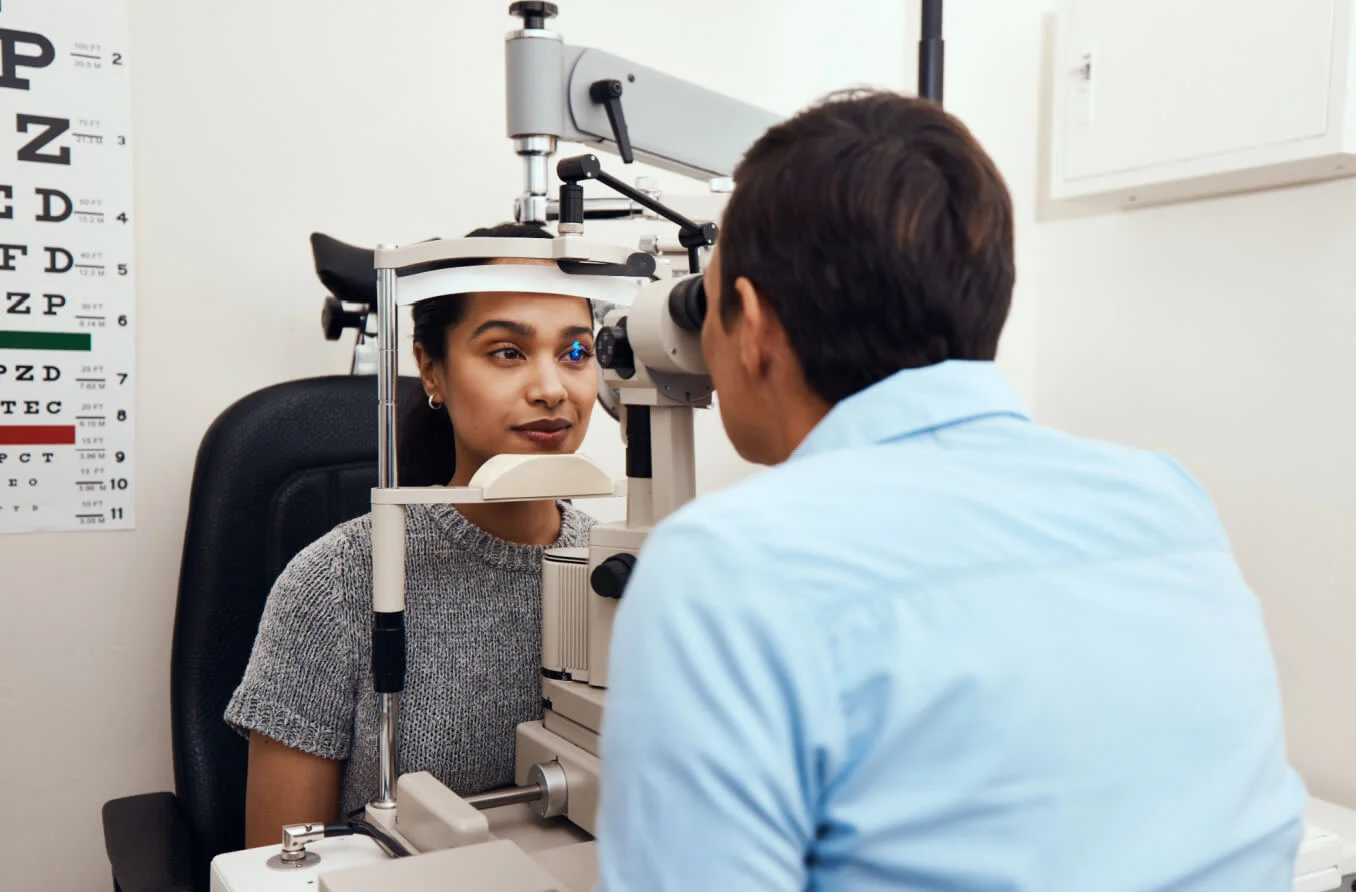
Comprehensive eye care

What is Comprehensive Eye Care?

Comprehensive Eye Care is a complete and detailed evaluation of your overall eye health. It focuses on diagnosing vision problems, detecting eye diseases early, and providing preventive care to protect your eyesight for the long term. It includes routine eye check-ups, advanced screenings, vision correction, and personalized treatment plans to ensure clear vision and healthy eyes.

Why Choose us

What's Our Specialty

  • Types of Comprehensive Eye Care
  • Symptoms of Comprehensive Eye Care
  • Causes of Comprehensive Eye Care

Routine Eye Examinations

Regular eye check-ups to monitor vision, eye pressure, and overall eye function.

Refractive Error Assessment

Tests for issues like myopia, hyperopia, astigmatism, and presbyopia.

Disease Screening

Early detection of conditions such as cataracts, glaucoma, diabetic retinopathy, and dry eyes.

Pediatric Eye Care

Specialized eye care for children to ensure healthy vision development.

Geriatric Eye Care

Focused care for age-related eye problems such as macular degeneration and cataracts.

Contact Lens Evaluation

Fitting and assessing suitability for contact lenses.

Emergency Eye Care

Immediate care for injuries, infections, or sudden vision issues.

  • Blurred or unclear vision
  • Frequent headaches or eye strain
  • Difficulty seeing at night
  • Double vision
  • Redness, irritation, or dryness
  • Sudden light flashes or floaters
  • Increased sensitivity to light
  • Trouble reading small print
  • Age-related changes
  • Prolonged screen time
  • Diabetes or hypertension
  • Genetic or hereditary factors
  • Environmental factors like dust or UV exposure
  • Eye infections or injuries
  • Poor lifestyle habits (smoking, improper diet)
  • Types of Comprehensive Eye Care
  • Symptoms of Comprehensive Eye Care
  • Causes of Comprehensive Eye Care

Routine Eye Examinations

Regular eye check-ups to monitor vision, eye pressure, and overall eye function.

Refractive Error Assessment

Tests for issues like myopia, hyperopia, astigmatism, and presbyopia.

Disease Screening

Early detection of conditions such as cataracts, glaucoma, diabetic retinopathy, and dry eyes.

Pediatric Eye Care

Specialized eye care for children to ensure healthy vision development.

Geriatric Eye Care

Focused care for age-related eye problems such as macular degeneration and cataracts.

Contact Lens Evaluation

Fitting and assessing suitability for contact lenses.

Emergency Eye Care

Immediate care for injuries, infections, or sudden vision issues.

  • Blurred or unclear vision
  • Frequent headaches or eye strain
  • Difficulty seeing at night
  • Double vision
  • Redness, irritation, or dryness
  • Sudden light flashes or floaters
  • Increased sensitivity to light
  • Trouble reading small print
  • Age-related changes
  • Prolonged screen time
  • Diabetes or hypertension
  • Genetic or hereditary factors
  • Environmental factors like dust or UV exposure
  • Eye infections or injuries
  • Poor lifestyle habits (smoking, improper diet)

Speciality

Treatment for Comprehensive Eye Care

Prescription Glasses and Contact Lenses

Customized corrective lenses are provided based on your refractive error. These help improve clarity, reduce eye strain, and enhance everyday visual performance. Contact lenses are recommended after careful evaluation of eye shape, tear quality, and lifestyle needs.

Medication for Infections, Allergies, or Dryness

Eye drops, ointments, or oral medications are prescribed to treat conditions like conjunctivitis, eye allergies, styes, and dry eye syndrome. These medicines help reduce inflammation, relieve discomfort, and restore normal eye function.

Laser Treatments for Vision Correction

Advanced laser procedures such as LASIK, PRK, or SMILE are used to correct refractive errors by reshaping the cornea. These treatments help reduce dependency on glasses or contact lenses and improve long-term visual clarity.

Cataract Evaluation and Surgery

Comprehensive assessment helps diagnose cataracts early. When needed, cataract surgery is performed to remove the cloudy lens and replace it with a clear artificial lens, restoring sharp and bright vision.

Management of Glaucoma and Retinal Diseases

Regular monitoring, pressure-lowering medications, laser therapy, or surgical procedures are used to manage glaucoma and prevent vision loss. Specialized care is provided for retinal conditions such as diabetic retinopathy or macular degeneration to preserve healthy vision.

Preventive Care Through Lifestyle and Nutritional Guidance

Recommendations on eye-friendly nutrition, adequate hydration, screen-time management, UV protection, and healthy habits help prevent the development or progression of eye diseases. This approach strengthens and supports overall eye health.

Regular Monitoring for Chronic Conditions Like Diabetes

People with diabetes or hypertension require consistent eye check-ups. Regular monitoring helps detect early signs of diabetic retinopathy, macular edema, or hypertensive retinopathy, ensuring timely treatment and preventing irreversible vision loss.

Appointment BG Image

Other Treatments

Frequently Asked Questions

Is a comprehensive eye exam painful?

No. The tests are safe, comfortable, and non-invasive.

How often should I get a comprehensive eye check-up?

Most adults should get an eye exam every 1–2 years. If you have diabetes, high blood pressure, or existing eye issues, yearly check-ups are recommended.

Can eye problems be detected early?

Yes. Many eye diseases show no early symptoms, but can be diagnosed early with comprehensive screening.

Do children need comprehensive eye care?

Absolutely. Early eye exams help detect vision issues that may affect learning and development.

What should I bring to my eye appointment?

Bring your current glasses, contact lenses, medical reports, and a list of medications if any.

Book your appointment today

Get expert eye care tailored for you.

Book your appointment today

Get expert eye care tailored for you.