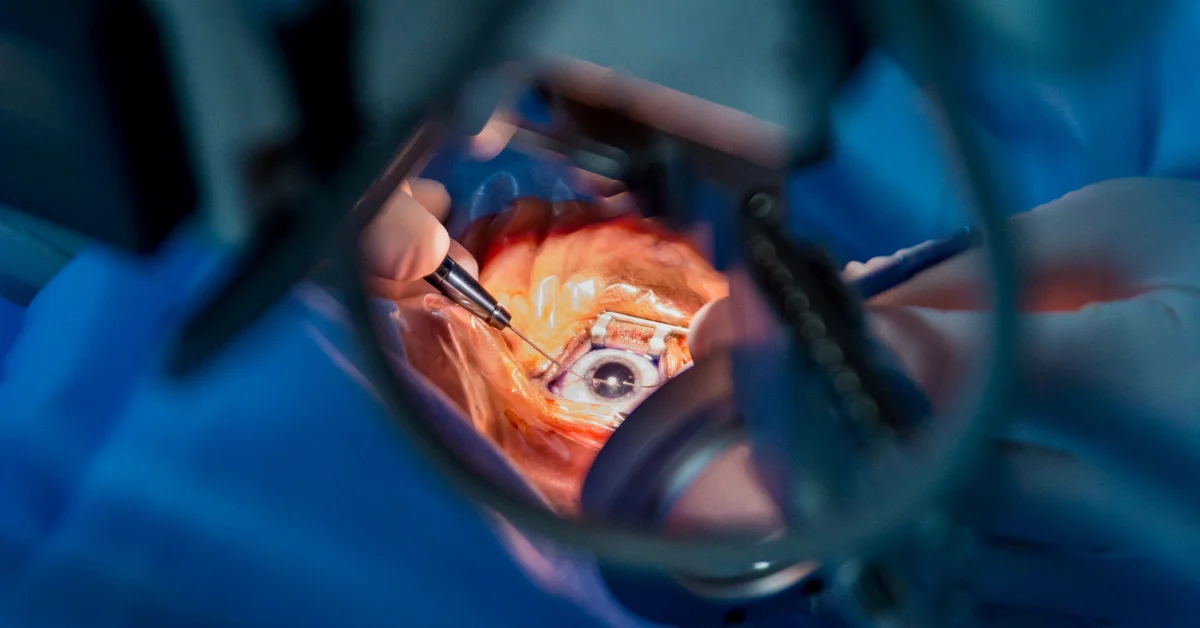
Cataract Surgery

What is Cataract Surgery?

Cataract surgery is a safe and effective surgical procedure to remove a cloudy lens (cataract) from the eye and replace it with a clear artificial lens called an intraocular lens (IOL). Cataracts cause the natural lens of the eye to become opaque, leading to blurred or dim vision, glare, and eventual vision loss if untreated. Cataract surgery restores clear vision by removing the cloudy lens and implanting an artificial lens, helping patients regain sharpness, color perception, and quality of life.

Why Choose us

What's Our Specialty

  • Types of Cataract Surgery
  • Symptoms Indicating Cataracts
  • Causes of Cataracts

There are several types of cataract surgery techniques, each suited for different stages and conditions:

Phaco Surgery: Phacoemulsification (Phaco) is the most common modern cataract surgery method, performed through a very small incision. This tiny opening allows the surgeon to break up and remove the cloudy lens using ultrasound technology, ensuring faster healing, minimal discomfort, and quicker visual recovery.

Cost-Effective Method: This technique uses a small, self-sealing incision to remove the cataract at an affordable cost. It requires minimal sutures, reduces postoperative discomfort, and promotes quicker healing.

Removal of the Whole Lens Through a Self-Sealing Large Scleral Incision: In this method, the entire cataractous lens is removed through a larger scleral incision that seals itself naturally. This provides better access and control for the surgeon, making it suitable for dense or mature cataracts.

Any Type of Complicated Cataract: With this approach, even the most complicated cataracts—such as hyper-mature, traumatic, or long-standing cases—can be removed efficiently in a short span of time, ensuring safety and improved visual outcomes.

Signs that cataracts may be developing include:

  • Cloudy, blurry, or dim vision

  • Difficulty seeing at night or in low light

  • Sensitivity to glare and bright lights

  • Seeing halos around lights

  • Colors appearing faded or yellowed

  • Frequent changes in eyeglass prescriptions

  • Double vision in one eye.

Cataracts primarily form due to the natural aging process that causes proteins in the lens to clump together and cloud the lens. Other causes include:

  • Prolonged exposure to ultraviolet (UV) sunlight

  • Diabetes and certain metabolic diseases

  • Eye injuries or surgeries

  • Long-term use of corticosteroids or other medications

  • Smoking and excessive alcohol use

  • Genetic predisposition and congenital factors.

  • Types of Cataract Surgery
  • Symptoms Indicating Cataracts
  • Causes of Cataracts

There are several types of cataract surgery techniques, each suited for different stages and conditions:

Phaco Surgery: Phacoemulsification (Phaco) is the most common modern cataract surgery method, performed through a very small incision. This tiny opening allows the surgeon to break up and remove the cloudy lens using ultrasound technology, ensuring faster healing, minimal discomfort, and quicker visual recovery.

Cost-Effective Method: This technique uses a small, self-sealing incision to remove the cataract at an affordable cost. It requires minimal sutures, reduces postoperative discomfort, and promotes quicker healing.

Removal of the Whole Lens Through a Self-Sealing Large Scleral Incision: In this method, the entire cataractous lens is removed through a larger scleral incision that seals itself naturally. This provides better access and control for the surgeon, making it suitable for dense or mature cataracts.

Any Type of Complicated Cataract: With this approach, even the most complicated cataracts—such as hyper-mature, traumatic, or long-standing cases—can be removed efficiently in a short span of time, ensuring safety and improved visual outcomes.

Signs that cataracts may be developing include:

  • Cloudy, blurry, or dim vision

  • Difficulty seeing at night or in low light

  • Sensitivity to glare and bright lights

  • Seeing halos around lights

  • Colors appearing faded or yellowed

  • Frequent changes in eyeglass prescriptions

  • Double vision in one eye.

Cataracts primarily form due to the natural aging process that causes proteins in the lens to clump together and cloud the lens. Other causes include:

  • Prolonged exposure to ultraviolet (UV) sunlight

  • Diabetes and certain metabolic diseases

  • Eye injuries or surgeries

  • Long-term use of corticosteroids or other medications

  • Smoking and excessive alcohol use

  • Genetic predisposition and congenital factors.

Speciality

Treatment for Cataracts

Treatment for cataracts is primarily surgical, as medications or glasses cannot reverse the clouding once it affects vision significantly. The definitive treatment involves removing the cloudy natural lens in a precise and controlled manner, followed by the implantation of an artificial intraocular lens (IOL) to restore clear vision and proper focus.

The most commonly used method today is phacoemulsification, where a small incision of about 2 to 3 millimeters is made in the eye. Through this incision, an ultrasound probe is inserted that emulsifies (breaks down) the cataract into tiny fragments. These fragments are then gently suctioned out of the eye. Once the cloudy lens is fully removed, a clear artificial IOL is implanted in the capsular bag that originally held the natural lens. This IOL permanently replaces the lens’s focusing power and can be customized based on visual needs, such as distance or multifocal correction.

An advanced option available for suitable candidates is laser-assisted cataract surgery, typically using femtosecond laser technology. This bladeless procedure uses a high-precision laser to perform several key surgical steps with greater accuracy than manual techniques. The laser creates precise corneal incisions, an optimally sized and positioned capsulotomy (opening in the lens capsule), and pre-fragments the lens with laser energy. These laser-assisted steps reduce the amount of ultrasound energy needed to remove the cataract, making the procedure gentler on the eye and lowering the risk of tissue trauma and postoperative inflammation. Additionally, laser technology can assist in correcting astigmatism during the surgery by creating limbal relaxing incisions that reshape the cornea, improving postoperative visual outcomes.

Post-surgery, patients typically use prescribed eye drops to prevent infection and control inflammation. These drops assist in the healing process and are usually used for a few weeks. Most patients experience rapid visual recovery within days and can resume normal activities shortly after surgery, with complete healing usually occurring over several weeks.

Overall, cataract surgery, whether performed by traditional methods or laser-assisted techniques, offers a safe and highly effective solution to restore clear vision, reduce glare and halos, and improve quality of life for individuals affected by cataracts.

Appointment BG Image

Other Treatments

Frequently Asked Questions

Surgery is advised when cataracts impair daily activities like reading, driving, or watching TV, or cause significant vision loss.

What are the different types of intraocular lenses (IOLs)?

Several IOLs exist including monofocal, multifocal, and toric lenses that correct for cataracts and other vision problems like astigmatism.

How long is the recovery period after cataract surgery?

Most patients recover functional vision within a few days, with complete healing in a few weeks. Recovery time may vary depending on the surgery type.

Is cataract surgery safe?

Cataract surgery is one of the safest and most commonly performed surgeries worldwide, with a high success rate and minimal risks when performed by experienced surgeons.

Can cataracts grow back after surgery?

Cataracts cannot grow back, but some patients may develop cloudiness of the lens capsule after surgery, called posterior capsule opacification (PCO), treatable with a quick laser procedure.

Book your appointment today

Get expert eye care tailored for you.

Book your appointment today

Get expert eye care tailored for you.