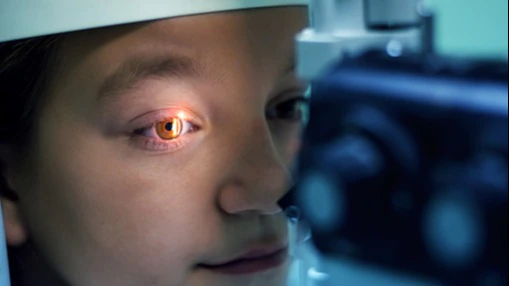
Glaucoma and Dry Eye Screening

What Are Glaucoma and Dry Eye Screening?

Glaucoma and Dry Eye Screening are essential eye health tests designed to detect early signs of glaucoma, a group of eye diseases that damage the optic nerve due to increased eye pressure, and dry eye syndrome, a condition where insufficient lubrication causes discomfort and vision problems. Early screening enables timely diagnosis, preventing vision loss from glaucoma and relieving symptoms associated with dry eye disease. These screenings typically include detailed eye examinations, pressure measurements, imaging, and tear film assessments.

Why Choose us

What's Our Specialty

  • Types of Screening
  • Symptoms
  • Causes

Glaucoma Screening: Includes intraocular pressure measurement (tonometry), optic nerve head evaluation using ophthalmoscopy or optical coherence tomography (OCT), and visual field testing to detect any functional loss.

Dry Eye Screening: Involves assessing tear production and quality using tests such as Schirmer’s test, tear breakup time (TBUT), and ocular surface staining to evaluate dryness and inflammation.

Glaucoma Symptoms: Often silent in early stages. Advanced symptoms include loss of peripheral vision, tunnel vision, eye pain, blurred vision, halos around lights, and headaches.

Dry Eye Symptoms: Include eye redness, burning, itching, foreign body sensation, excessive tearing, blurred vision, and sensitivity to light.

Glaucoma: Caused by increased intraocular pressure due to poor drainage of aqueous humor or other optic nerve vulnerabilities. Risk factors include age, family history, diabetes, high blood pressure, steroid use, and eye injuries.

Dry Eye: Caused by decreased tear production or increased tear evaporation. Factors include aging, hormonal changes, environmental conditions, prolonged screen use, contact lens wear, and autoimmune diseases.

  • Types of Screening
  • Symptoms
  • Causes

Glaucoma Screening: Includes intraocular pressure measurement (tonometry), optic nerve head evaluation using ophthalmoscopy or optical coherence tomography (OCT), and visual field testing to detect any functional loss.

Dry Eye Screening: Involves assessing tear production and quality using tests such as Schirmer’s test, tear breakup time (TBUT), and ocular surface staining to evaluate dryness and inflammation.

Glaucoma Symptoms: Often silent in early stages. Advanced symptoms include loss of peripheral vision, tunnel vision, eye pain, blurred vision, halos around lights, and headaches.

Dry Eye Symptoms: Include eye redness, burning, itching, foreign body sensation, excessive tearing, blurred vision, and sensitivity to light.

Glaucoma: Caused by increased intraocular pressure due to poor drainage of aqueous humor or other optic nerve vulnerabilities. Risk factors include age, family history, diabetes, high blood pressure, steroid use, and eye injuries.

Dry Eye: Caused by decreased tear production or increased tear evaporation. Factors include aging, hormonal changes, environmental conditions, prolonged screen use, contact lens wear, and autoimmune diseases.

Speciality

Treatment for Glaucoma and Dry Eye

Glaucoma treatment focuses on lowering intraocular pressure (IOP) to prevent further optic nerve damage and vision loss. The main treatment options include:

Medications: Prescription eye drops reduce eye pressure by either decreasing fluid production or improving its drainage. Types include prostaglandin analogs, beta-blockers, alpha agonists, and carbonic anhydrase inhibitors. Consistency in medication use is vital for effectiveness.

Laser Therapy: Procedures such as Selective Laser Trabeculoplasty (SLT) and Laser Peripheral Iridotomy (LPI) help improve fluid drainage or create new drainage channels. Laser therapy is minimally invasive and often performed in an outpatient setting.

Surgical Procedures: When medications and laser treatments are insufficient, surgical options like trabeculectomy or drainage implants create new pathways to drain fluid and lower eye pressure. Minimally invasive glaucoma surgeries (MIGS) offer less invasive alternatives with quicker recovery.

Regular Monitoring: Glaucoma requires lifelong monitoring through regular eye exams to track eye pressure and optic nerve health, ensuring timely adjustments to treatment for optimal preservation of vision.

Appointment BG Image

Other Treatments

Frequently Asked Questions

Why is screening important for glaucoma and dry eye?

Early screening helps detect disease before significant damage occurs, allowing effective treatment to preserve vision and comfort.

How often should I get screened?

Annual screening is recommended for those over 40 or with risk factors like diabetes, family history, or eye strain.

Can dry eye cause permanent damage?

If untreated, chronic dry eye can lead to eye surface damage and vision problems but is usually manageable with proper care.

Is glaucoma treatment lifelong?

Yes, glaucoma requires lifelong management to control eye pressure and prevent vision loss.

Are there lifestyle tips to help with dry eye?

Using humidifiers, taking breaks during screen use, wearing sunglasses outdoors, and staying hydrated can help alleviate dry eye symptoms.

Book your appointment today

Get expert eye care tailored for you.

Book your appointment today

Get expert eye care tailored for you.